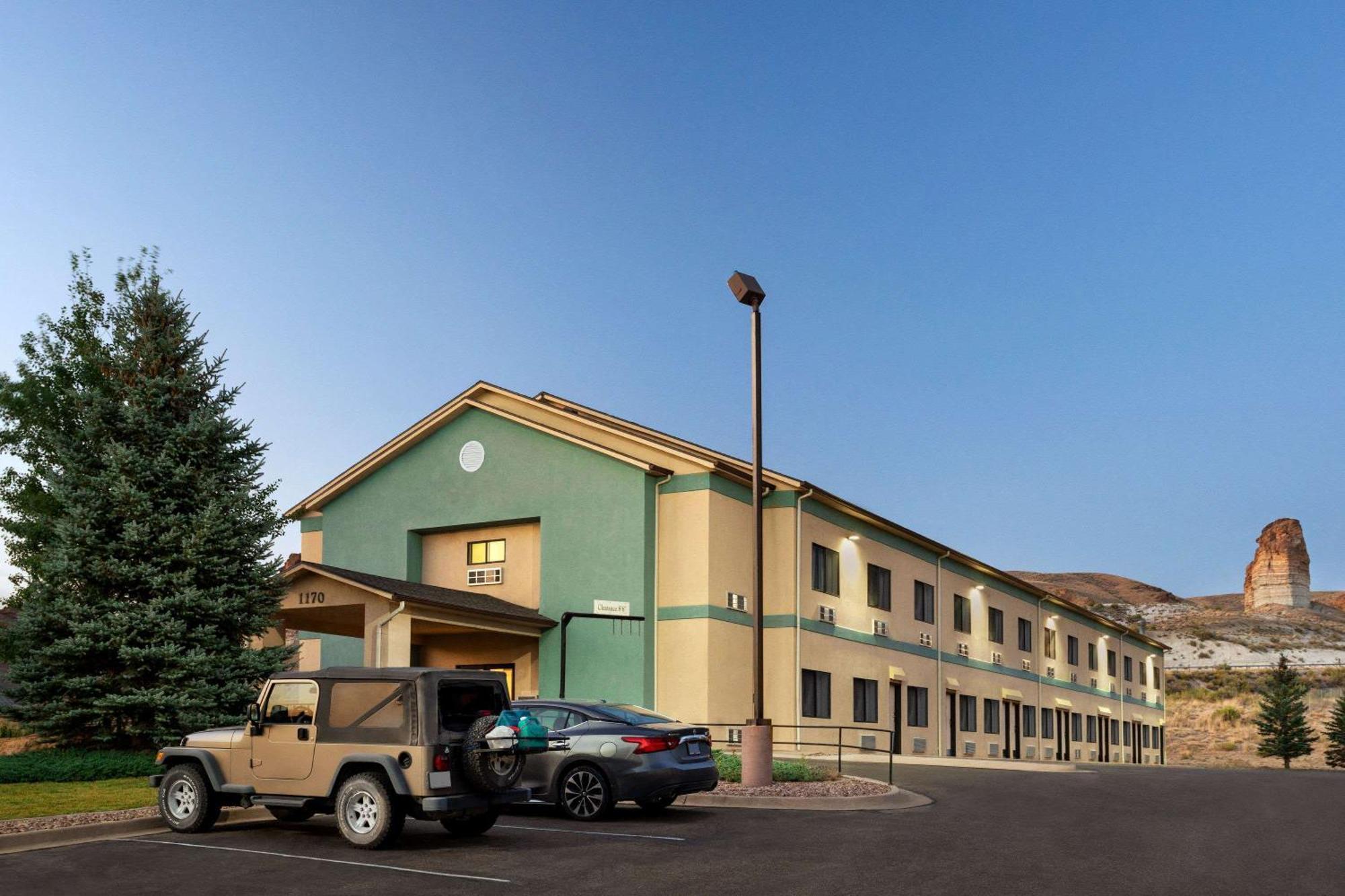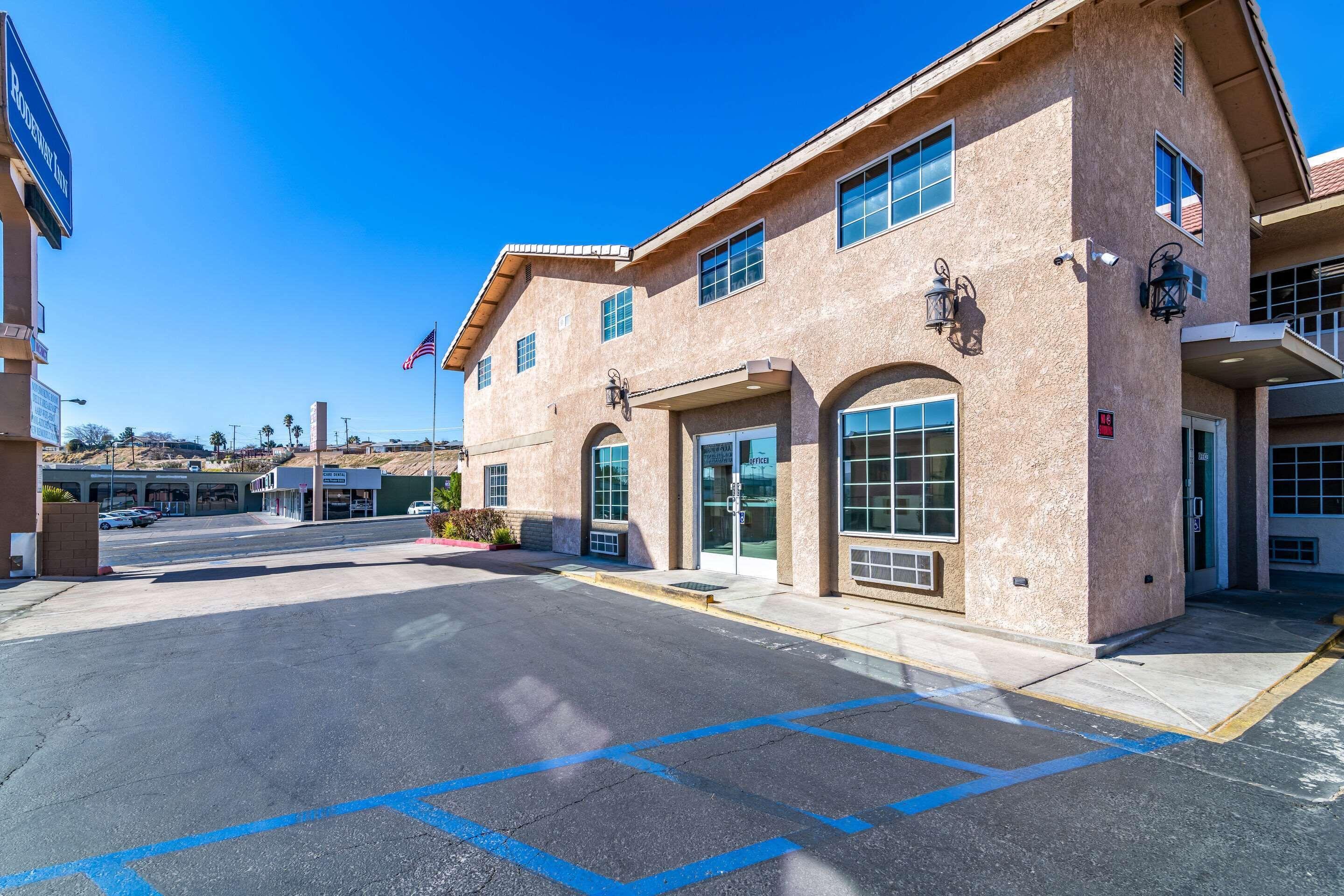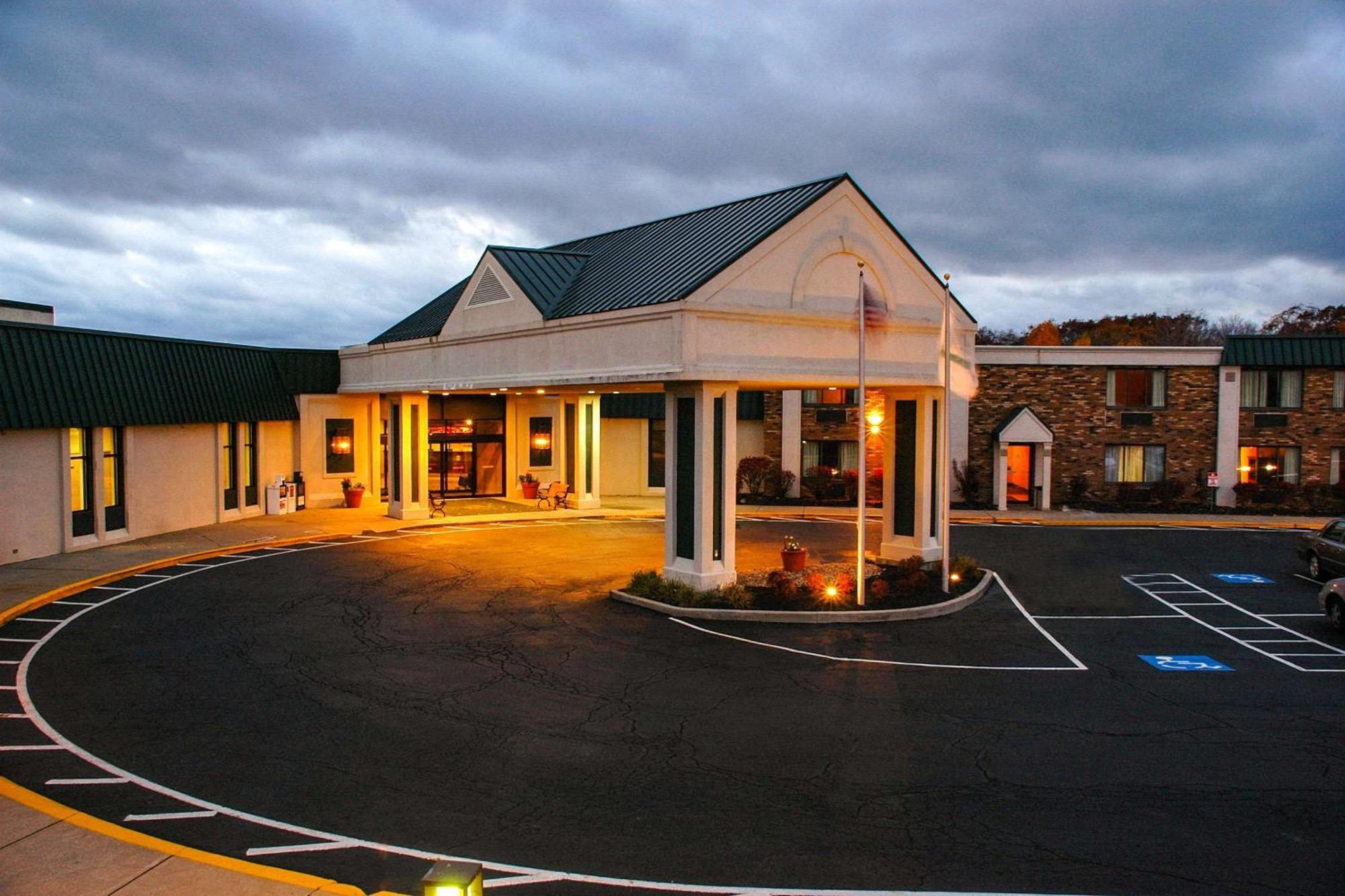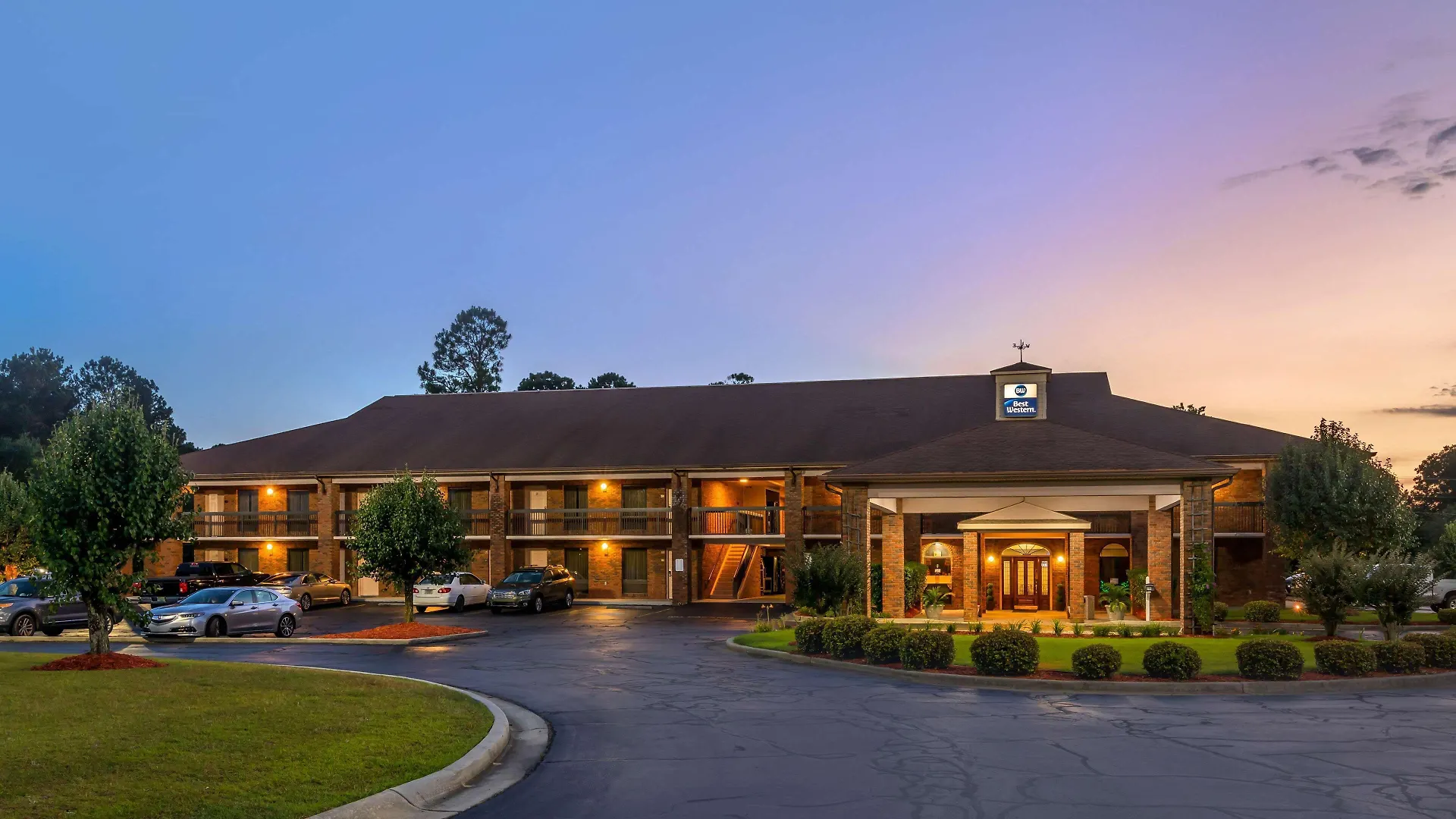
Traveling solo across the United States means navigating a country of continental scale - from the Gulf Coast to the Great Lakes, from the Appalachian foothills to the Texas plains. The hotel options available to solo travelers span budget-friendly motels near state parks, mid-scale branded inns with included breakfast, and suburban chain hotels with solid transport links. This guide breaks down 14 properties across multiple US states to help solo travelers make a grounded, informed booking decision based on location, value, and practical amenities.
What It's Like Staying in the United States as a Solo Traveler
The United States covers around 9.8 million square kilometers, meaning "staying in the US" varies dramatically depending on the state - a solo trip through rural Kentucky feels nothing like navigating the suburbs of Washington DC or the Mississippi River valley towns of Wisconsin. Solo travelers benefit from the country's deeply embedded car culture: free parking is standard at most mid-scale hotels, and the interstate highway system makes it genuinely feasible to move between landmarks, state parks, and cities on your own schedule. That said, public transit is limited outside major metros, so car-free solo travelers will find certain locations far less accessible than they appear on a map.
The US rewards solo travelers who plan by region rather than by country - the Tennessee-North Carolina corridor offers a mix of music heritage and mountain scenery, Texas stretches too far to treat as a single destination, and the Mid-Atlantic states pack landmark density into shorter drives. Breakfast-inclusive hotels are especially practical for solo travelers who prefer not to scout a café every morning.
Pros:
- Free parking at the vast majority of mid-scale US hotels eliminates a key solo travel friction point
- Continental and buffet breakfasts are widely included, reducing daily food costs significantly
- 24-hour front desks are near-universal, offering safety and assistance at any arrival time
Cons:
- Car dependency is real - most hotels in this guide are not walkable to major attractions
- Solo room pricing is identical to double occupancy at most US chains, offering no single supplement discount
- Rural and suburban locations can feel isolating after dark, with limited walkable dining or nightlife
Why Choose Mid-Scale Chain Hotels for Solo Travel in the US
Mid-scale branded hotels - Best Western, Comfort Inn, Hampton Inn, Courtyard by Marriott, Days Inn - dominate the solo travel landscape in the United States for one practical reason: predictability. When you are moving through unfamiliar regions like rural Texas, eastern North Carolina, or the outskirts of Memphis, knowing exactly what a room includes before you book removes a significant layer of uncertainty. These properties typically run around 20% cheaper per night than full-service hotels in the same area, while still offering amenities solo travelers actually use: free WiFi, a fitness center, and an on-site breakfast.
Room sizes at these properties tend to be generous by international standards - most offer a dedicated desk, flat-screen TV with cable, a mini-fridge, and a coffee maker as standard. The trade-off is location: most of these hotels sit near highway exits or suburban business corridors rather than walkable town centers. For solo travelers driving between destinations, this is rarely a problem; for those relying on rideshare services, factor in the added cost. Fitness centers and indoor pools are common across this category, which matters when traveling alone with downtime to fill.
Pros:
- Included breakfast at most properties removes the need to locate and budget for a morning meal independently
- Consistent room standards across brands mean no guesswork when booking in an unfamiliar city or state
- Free parking and disability-accessible facilities are near-universal in this hotel category across the US
Cons:
- Highway-adjacent locations mean most properties require a car or rideshare to reach restaurants, attractions, and town centers
- Limited social infrastructure - few bars, communal areas, or lobbies designed for solo traveler interaction
- Some smaller-market properties have reduced staffing on overnight shifts despite advertising 24-hour desks
Practical Booking & Area Strategy for Solo Travelers in the US
For solo travelers covering multiple US states, the most strategic approach is to anchor overnight stops near interstate junctions that sit within driving distance of key attractions. Collierville, Tennessee, for example, positions you within around 37 km of Graceland and the Stax Museum - two of Memphis's most visited sites - while offering quieter, suburban hotel pricing compared to Downtown Memphis. Similarly, the Onalaska-La Crosse corridor in Wisconsin sits at the convergence of the Mississippi River and the Coulee Region, giving solo road-trippers access to river bluffs, the La Crosse Center, and the University of Wisconsin campus within a single base. Winston-Salem, North Carolina is an underrated solo travel hub: positioned between the Blue Ridge Parkway and Charlotte, it offers mid-scale hotel pricing with strong transport links to both mountain and urban experiences.
In terms of seasonal timing, spring and fall deliver the best value for solo travelers - hotel rates in most of these markets drop outside summer peaks and major local events. Camp Springs, Maryland stands out as a budget-conscious gateway to Washington DC landmarks, with properties running notably lower than anything inside the DC city limits. Solo travelers heading into rural Texas - Marshall or Corsicana - should plan driving routes carefully, as distances between points of interest regularly exceed 40 km.
Hotels in the South & Southeast
The southern US states - Texas, North Carolina, Georgia, Kentucky, and Tennessee - offer some of the most varied solo travel itineraries in the country, and the hotels in this region reflect that range: from highway motels near state parks to branded suites close to motorsport venues and music landmarks.
-
1. Best Western Bradford Inn
Show on map


 Check-infrom 15:00 until 23:59Check-outuntil 11:00
Best price guarantee
fromUS$ 83
-
2. Country Inn & Suites By Radisson, Goldsboro, Nc
Show on map


 Check-infrom 15:00 until 23:59Check-outuntil 11:00
Best price guarantee
fromUS$ 95
-
3. Courtyard By Marriott Memphis Collierville
Show on map


 Check-infrom 15:00 until 23:59Check-outuntil 12:00
Hurry – almost gone at this price!
fromUS$ 176
-
4. Motel 6-Marshall, Tx
Show on map


 Check-infrom 14:00 until 23:59Check-outuntil 11:00
Rooms filling fast – secure the best rate!
fromUS$ 59
-
5. Days Inn By Wyndham Grayson
Show on map


 Check-infrom 15:00 until 23:59Check-outuntil 11:00
Best price guarantee
fromUS$ 345
-
6. Cotulla Executive Inn
Show on map


 Check-infrom 14:00 until 23:59Check-outuntil 11:00
Hurry – almost gone at this price!
fromUS$ 70
-
7. Spark By Hilton Commerce, Ga
Show on map


 Check-infrom 15:00 until 23:59Check-outuntil 11:00
Just a few rooms left at the best rate!
fromUS$ 90
-
8. Comfort Inn & Suites Concord - Kannapolis
Show on map


 Check-infrom 15:00 until 23:59Check-outuntil 11:00
Just a few rooms left at the best rate!
fromUS$ 80
-
9. Tru By Hilton Wilson
Show on map


 Check-infrom 15:00 until 23:59Check-outuntil 11:00
Best price guarantee
fromUS$ 120
-
10. Hampton Inn & Suites Winston-Salem/University Area
Show on map


 Check-infrom 15:00 until 23:59Check-outuntil 11:00
Best price guarantee
fromUS$ 114
Hotels in the Midwest, Mid-Atlantic & Mountain West
From the Mississippi River bluffs of Wisconsin to the Colorado plains and the DC suburbs of Maryland, this group of hotels covers the widest geographic spread in the guide - each serving a distinct solo travel use case that ranges from national park proximity to capital city access on a budget.
-
11. Comfort Inn Onalaska - La Crosse Area
Show on map


 Check-infrom 15:00 until 23:59Check-outuntil 11:00
Best price guarantee
fromUS$ 102
-
12. Hampton Inn By Hilton Fort Morgan
Show on map


 Check-infrom 15:00 until 23:59Check-outuntil 11:00
Just a few rooms left at the best rate!
fromUS$ 145
-
13. Motel 6-Corsicana, Tx
Show on map


 Check-infrom 13:00 until 23:59Check-outuntil 11:00
Rooms filling fast – secure the best rate!
fromUS$ 48
-
14. Quality Inn Near Joint Base Andrews-Washington Area
Show on map


 Check-infrom 15:00 until 23:59Check-outuntil 11:00
Best price guarantee
fromUS$ 98
-
15. The Shamrock
Show on map


 Check-infrom 15:00 until 23:59Check-outuntil 11:00
Hurry – almost gone at this price!
fromUS$ 99
Smart Travel Timing & Booking Advice for Solo Trips in the US
Timing a solo trip across the United States requires thinking by region rather than by season for the whole country. The southern states - Texas, Georgia, North Carolina, Kentucky - are most manageable for solo road trips in March through May and September through November, when temperatures stay below 35°C and crowds at state parks and heritage sites thin out considerably. Summer brings the highest hotel rates at most mid-scale properties in this guide, particularly near motorsport events in North Carolina and in the Colorado mountains corridor. Booking at least 3 weeks ahead during summer in these markets typically saves around 20% compared to last-minute rates.
For solo travelers targeting the DC area via Camp Springs, Maryland, avoid booking during Congressional session openings or major national events on the Mall - rates across the entire metro area spike sharply during those windows. The Midwest properties - Fort Morgan, Colorado and Onalaska, Wisconsin - offer the widest gap between peak and off-peak pricing, making them strong candidates for flexible solo travelers who can shift dates by a week or two. A minimum of 2 nights at any single property is advisable: one-night stops rarely leave enough time to make the most of surrounding attractions at the distances involved in US travel.